SITE #1 - All footprints from this site are from the late Triassic Period (215 mya, age of the first dinosaurs). In the 1800's to mid-1900's quarries excavated acres of land looking for the riches ores or the highest quality materials. When they exposed a fossil bearing layer they unknowingly ignored it's value and continued excavating. Now what's left are waste piles and some exposures which were ignored. Here is were I found these Triassic footprints.
Footprints of the Grallator spp. (Grallator, Anchisauripus, Eubrontes), Anomoepus, Batrachopus, Rhynchosaurides, and Ameghinichnus.
Special thanks goes to "Strataman74" for showing me this site. THANKS DUDE!!!
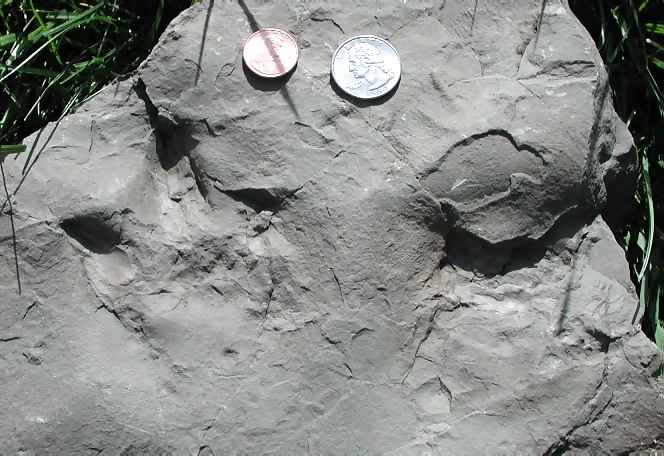

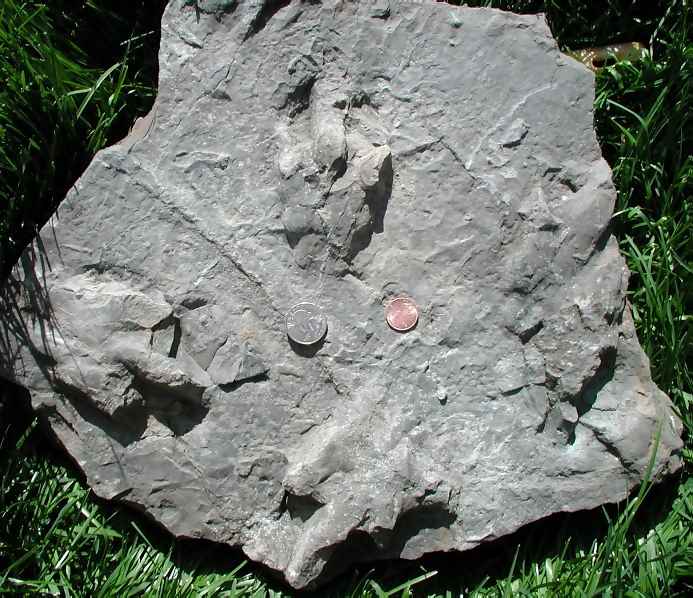

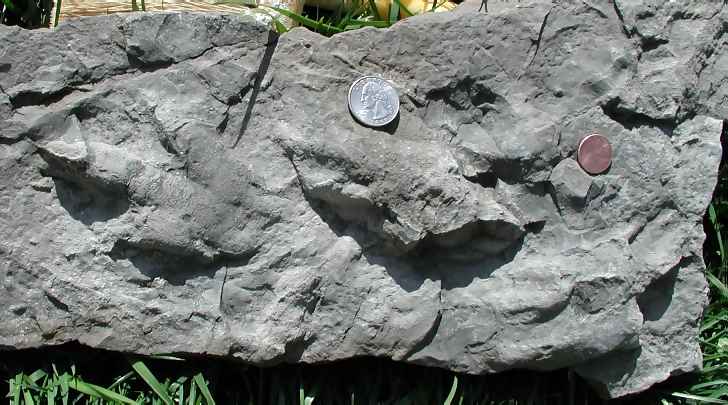
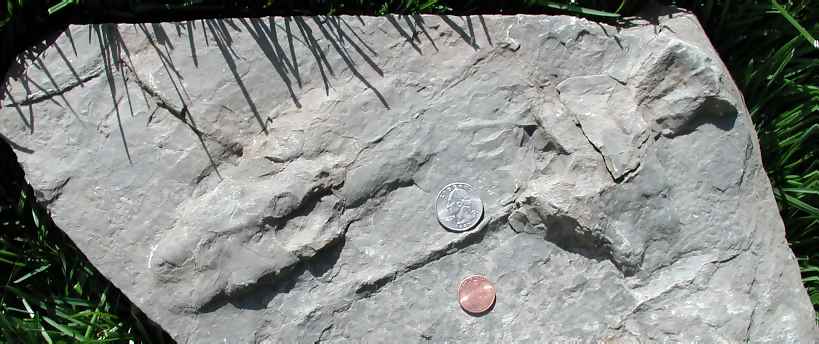
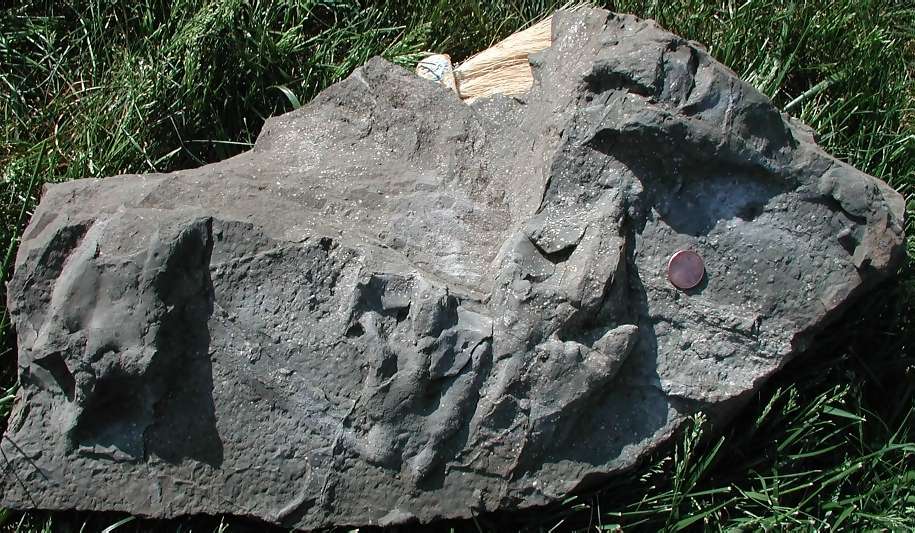


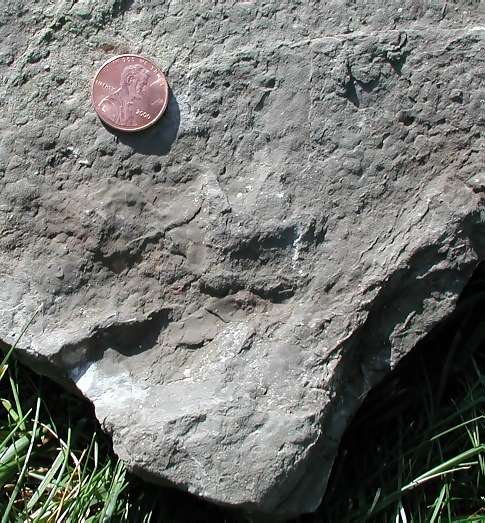
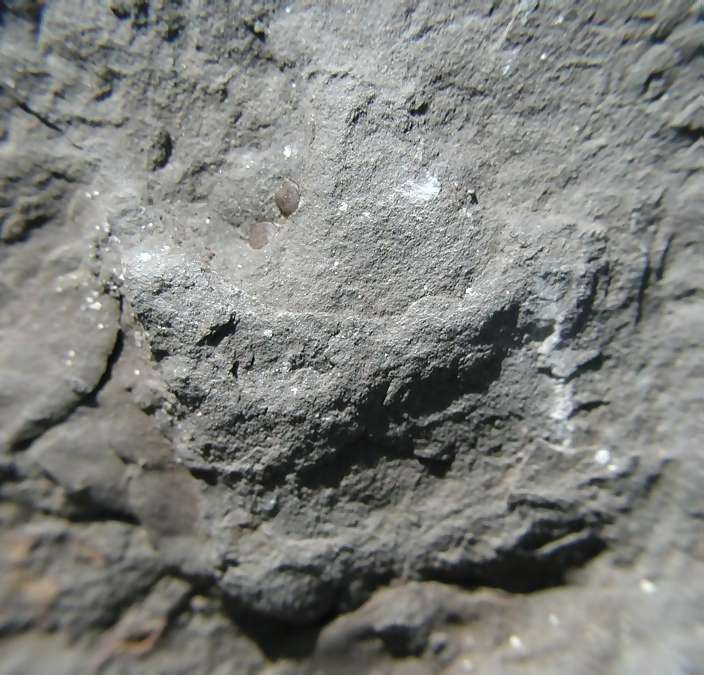


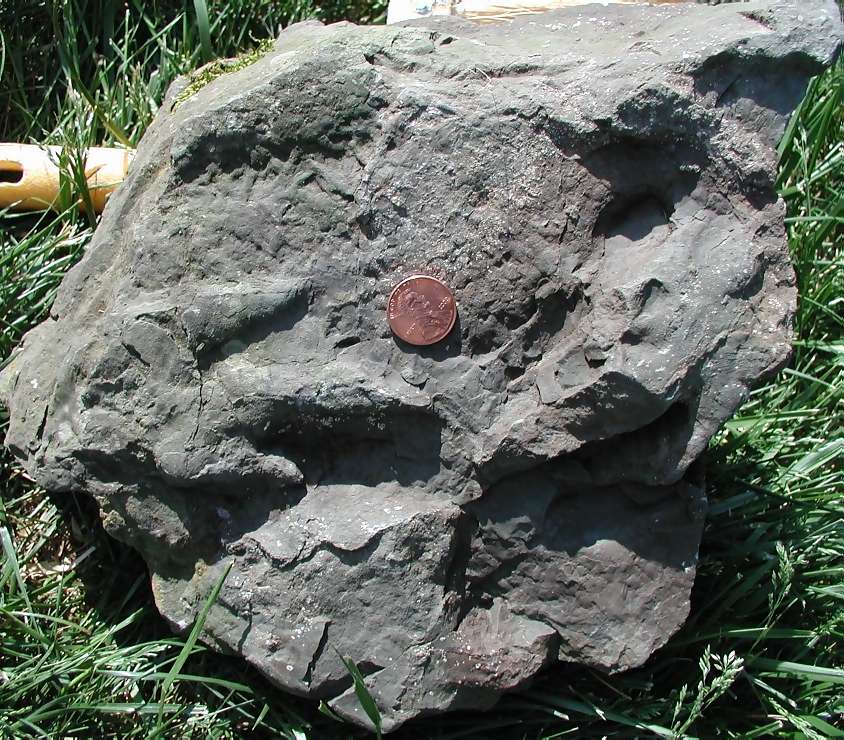
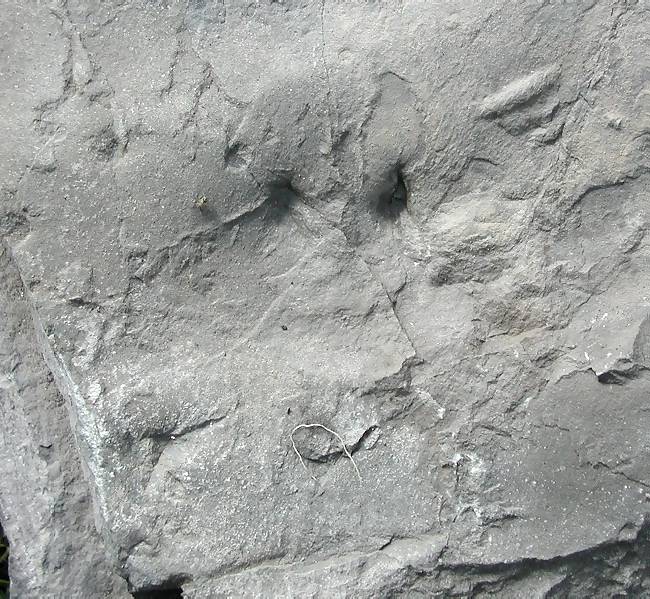
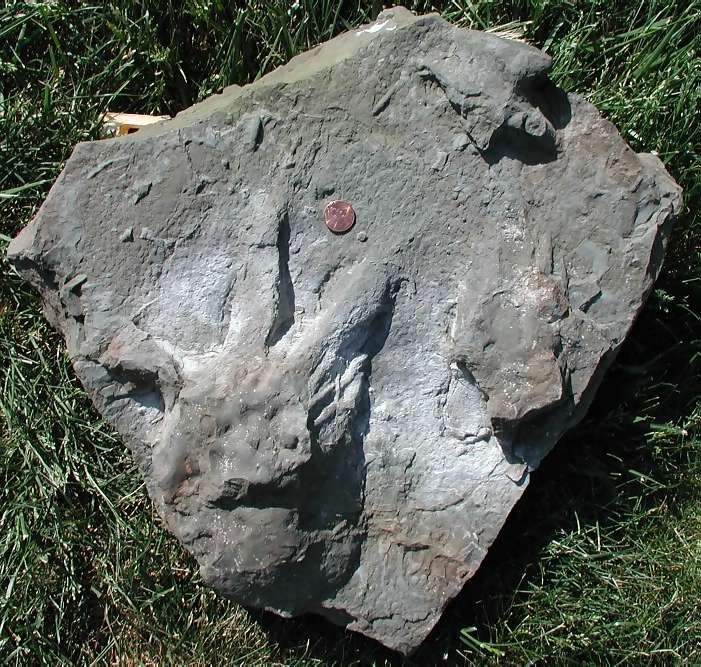

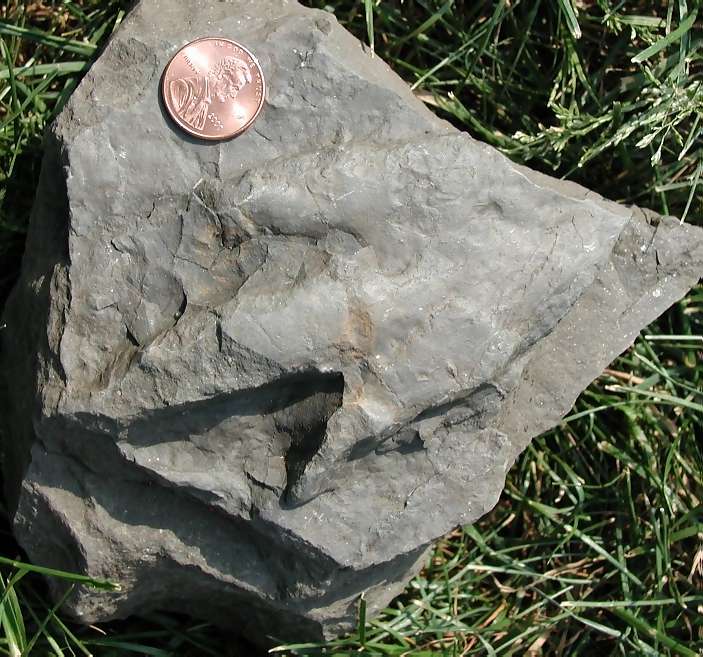


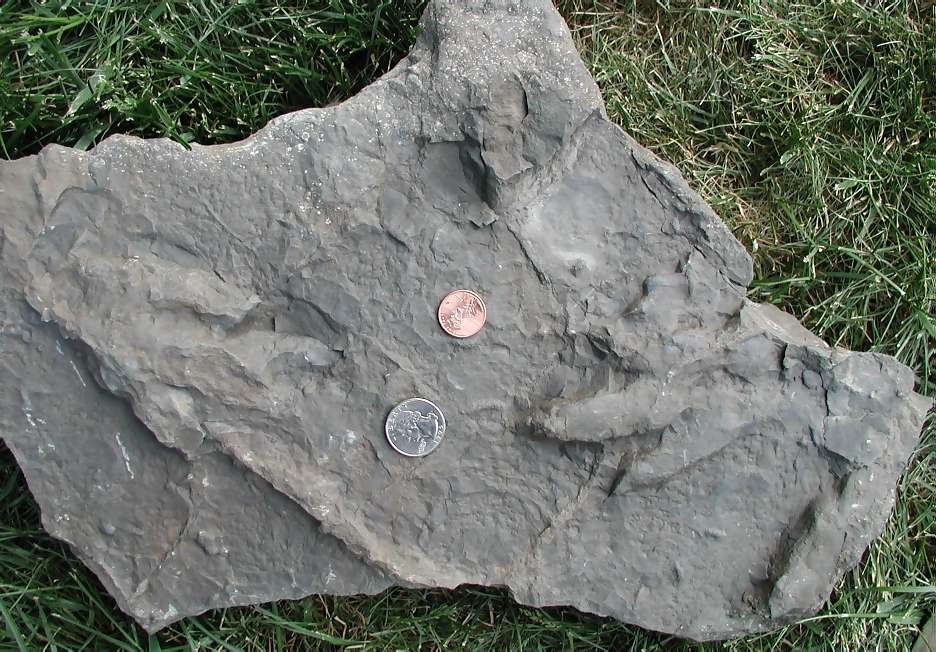
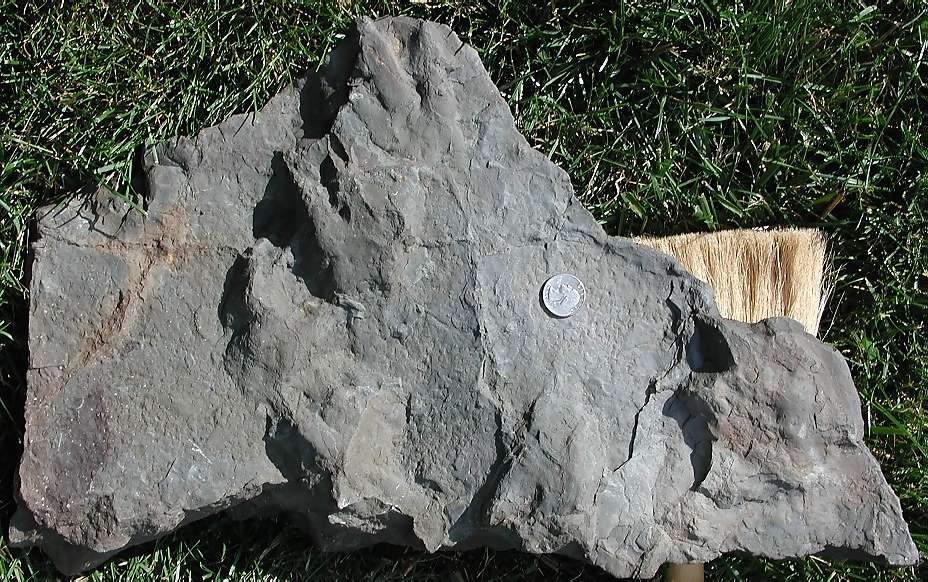
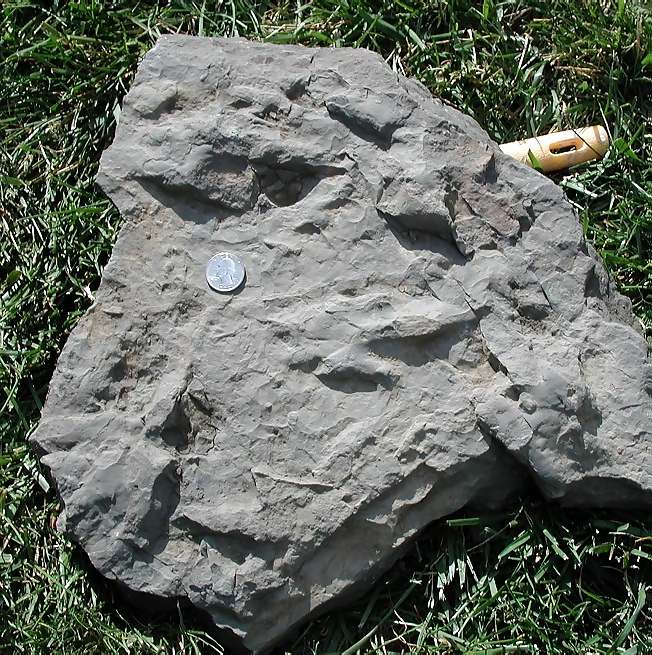

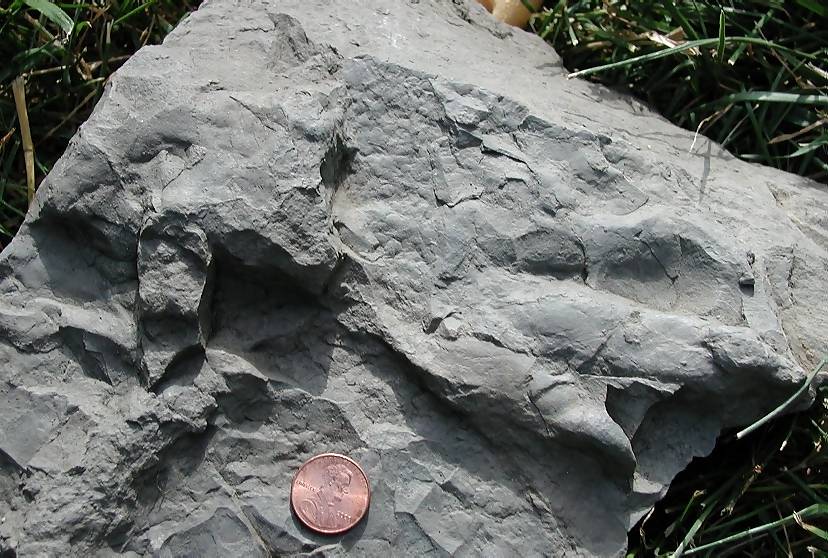
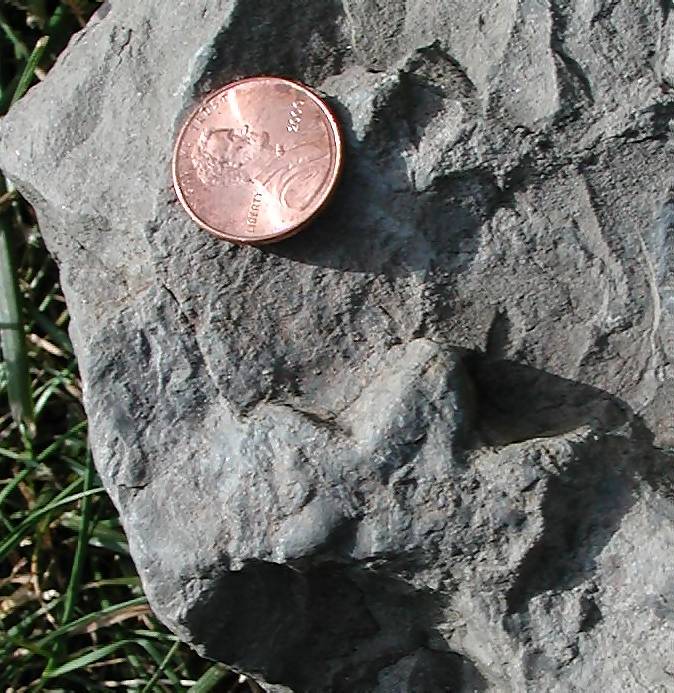
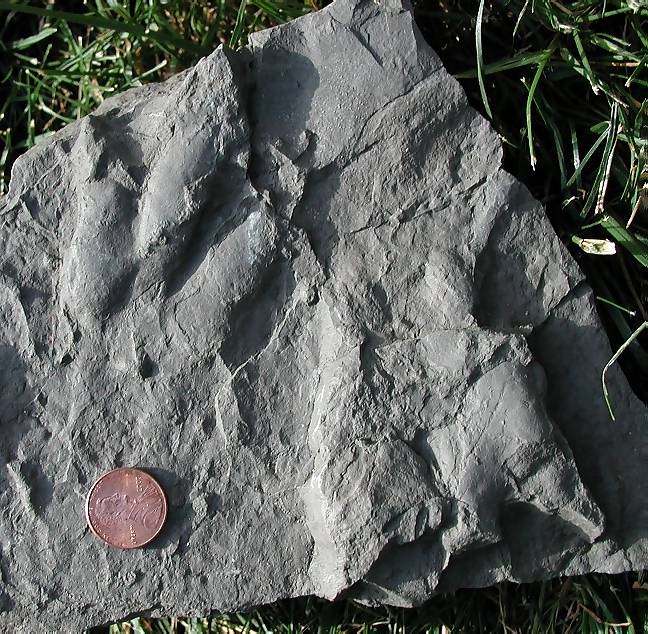

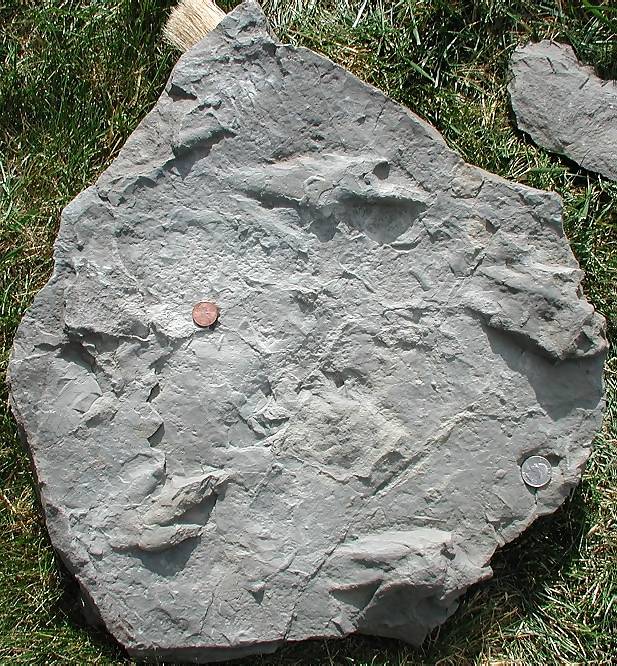
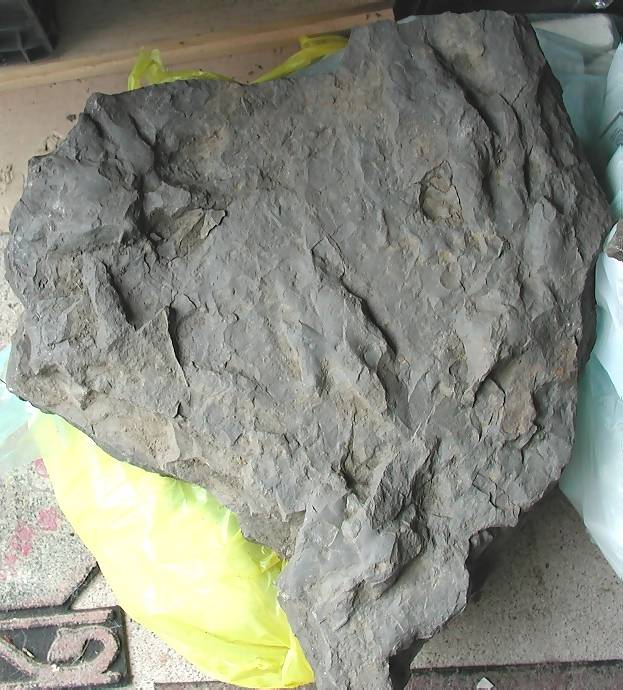
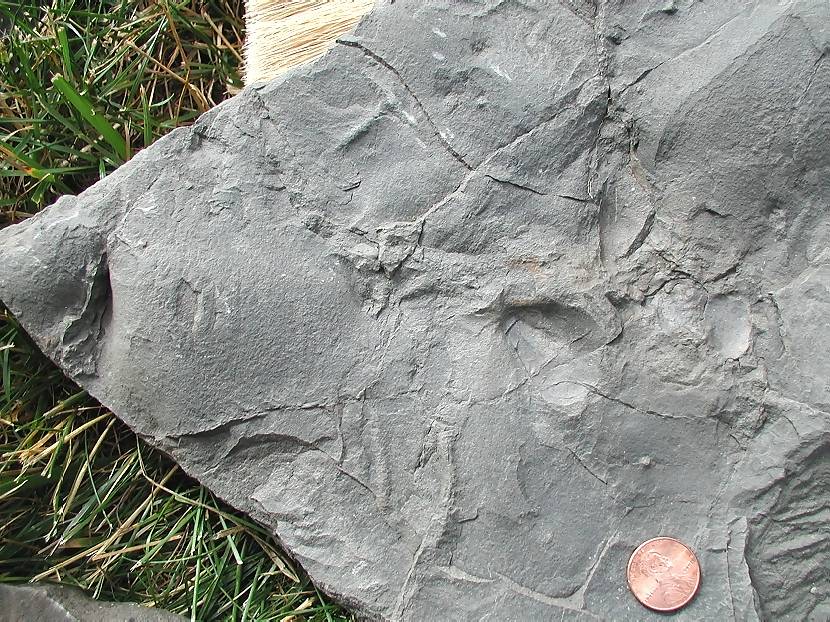
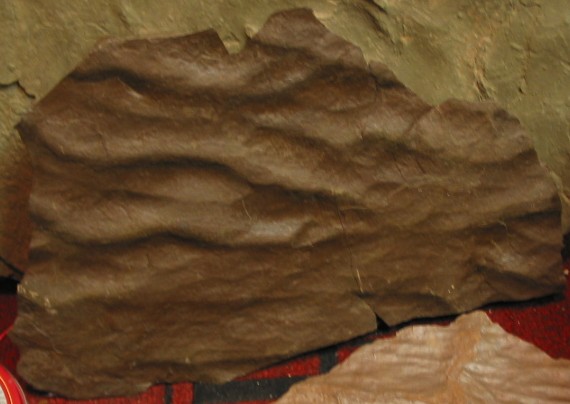
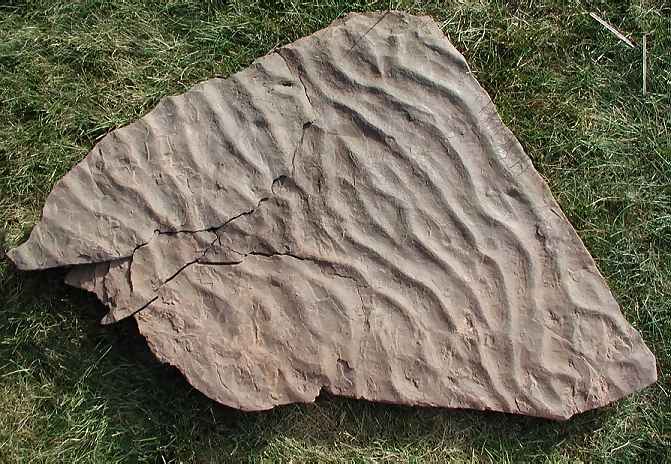
Fossilized waves (ripple rock). Note the the third and fourth photo has a footprint on the ripples. The ripple marks found in these rocks were formed by waves of the sea or lakes (the ripple mark crests are parallel to the crests of the waves that formed them). Asymmetrical ripples were formed by flows in one direction, either by water (in rivers or the sea) or by wind. The steep sides of asymmetrical ripples always dip down current, allowing ancient current directions to be measured. We can use ripple marks together with other evidence to interpret the conditions in which ancient sediments were deposited. To learn more about how to interpret ancient marine/non-marine environments click here ==> Interpretation of Sedimentary Environments
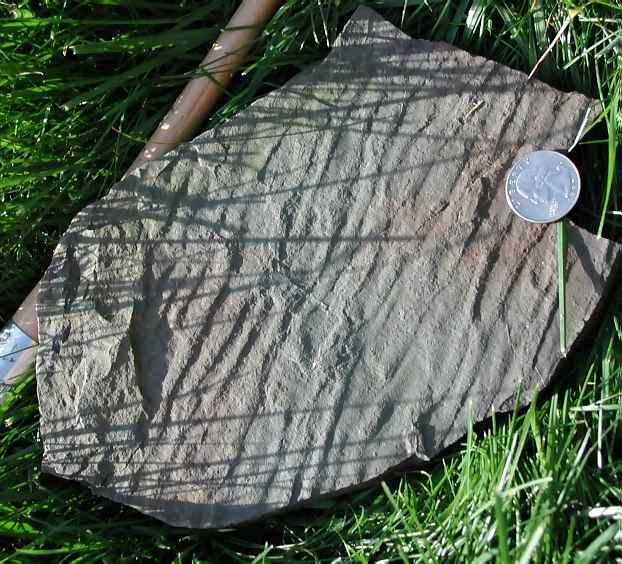
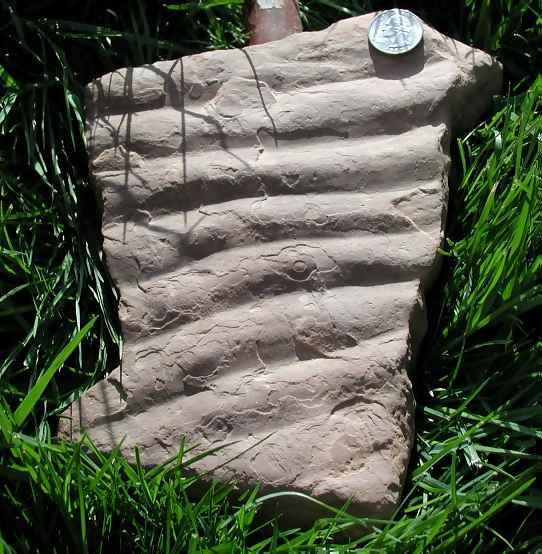
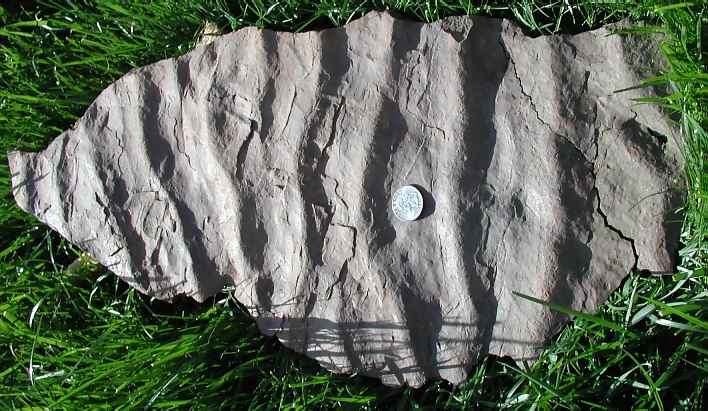
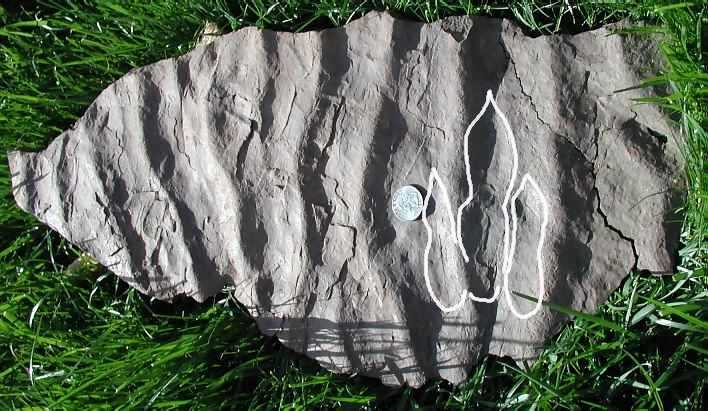
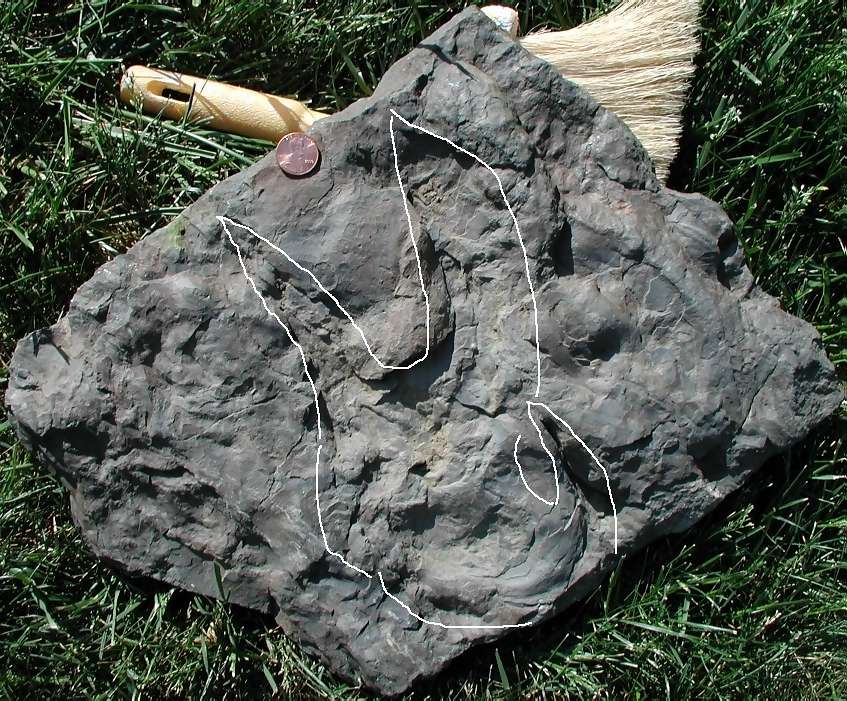
Poorly preserved (faint) footprints.




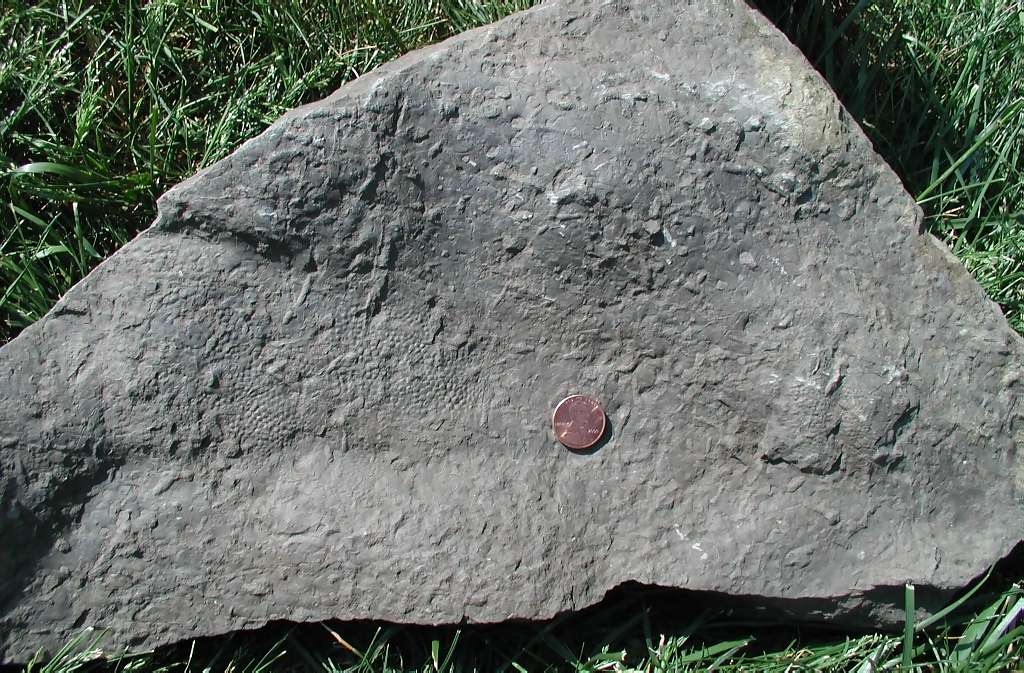
Skin/Scale impressions.
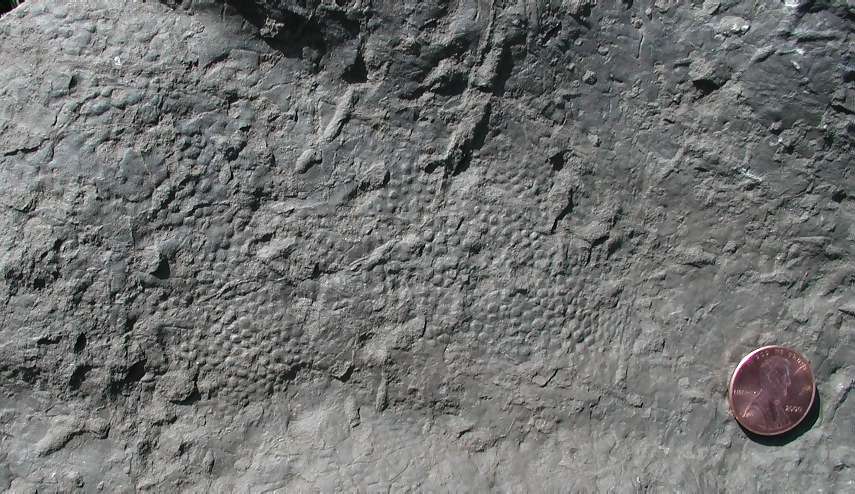
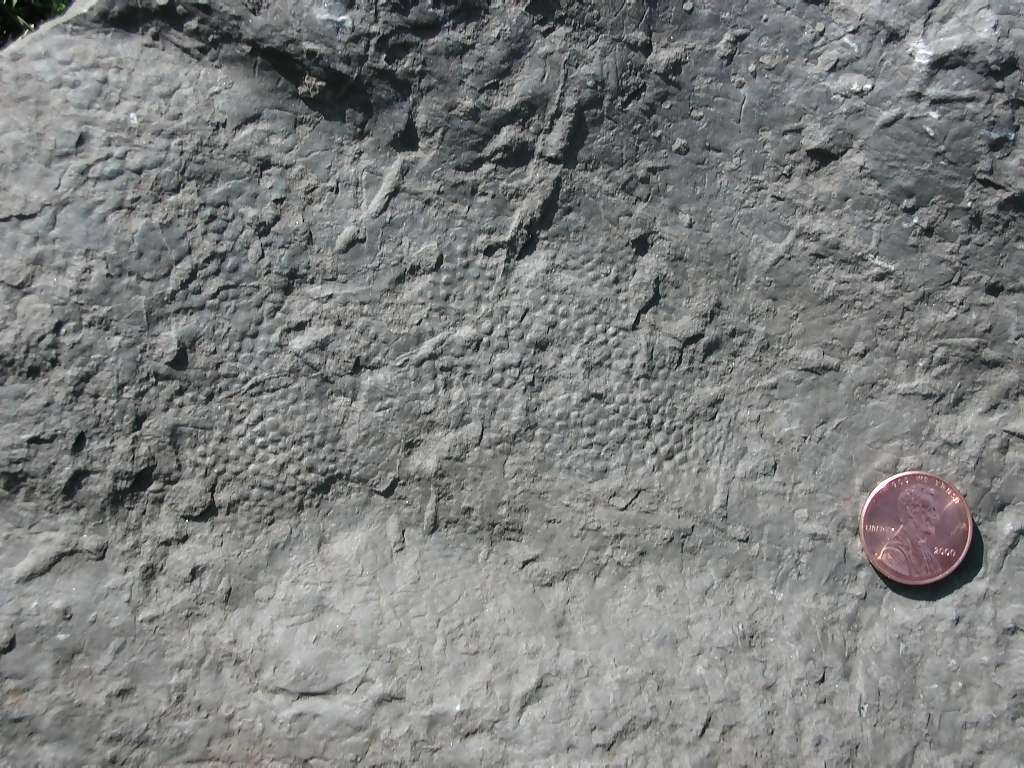
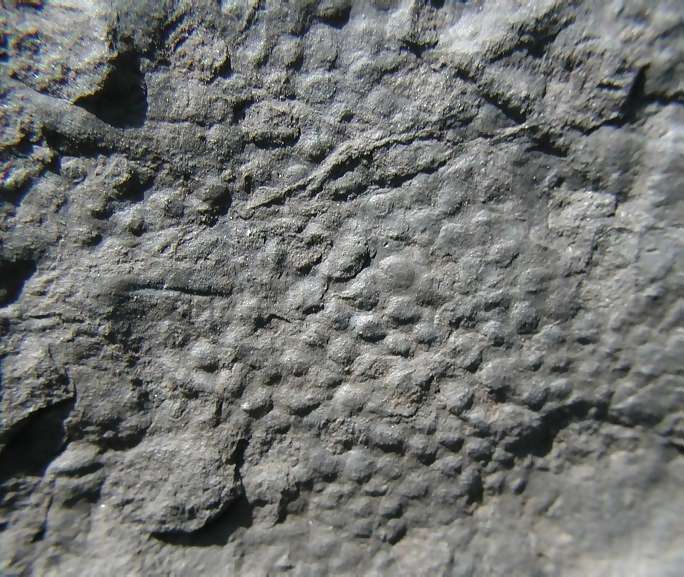
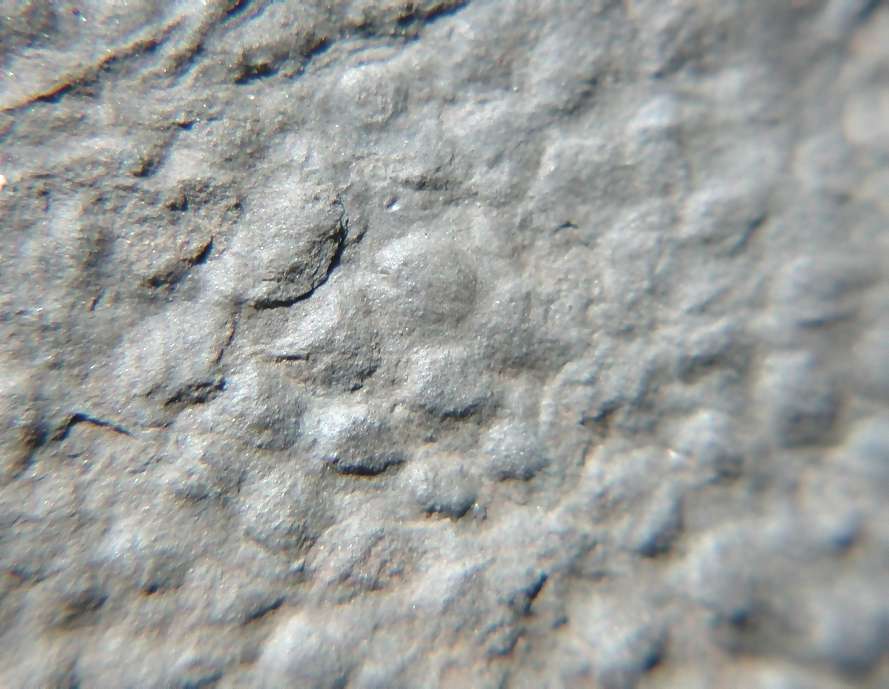
This photo is one of two strange "mounds" on flat slate found at this site. I'm not sure what could have formed this impression. This find belongs to Strataman74, my find will be uploaded shortly.
